
Quick Answer: What Is Dry Mouth Usually A Sign Of?
Dry mouth is most commonly a sign of medication side effects, particularly from antihistamines, antidepressants, and blood pressure medications. It can also signal underlying health conditions like diabetes, Sjögren’s syndrome, or dehydration. When chronic, dry mouth increases your risk for cavities, gum disease, and oral infections because saliva plays a crucial role in protecting your teeth and maintaining oral health.
You wake up with a parched feeling in your mouth. Your tongue feels sticky against the roof of your mouth when you speak. Throughout the day, you find yourself constantly reaching for water. Sound familiar? You’re not alone. Dry mouth affects roughly one in five people, and understanding what causes it can help you protect your smile and overall health.
As experienced dentists at Sunnyside Dental Care, we see patients struggling with dry mouth every week. While an occasional dry mouth after a long run or a stressful meeting is completely normal, persistent dryness tells us your body is trying to communicate something important.
Understanding Dry Mouth (Xerostomia)
Dry mouth, medically known as xerostomia, occurs when your salivary glands don’t produce enough saliva to keep your mouth properly lubricated. According to the National Institute of Dental and Craniofacial Research, saliva does far more than just keep your mouth wet. It helps you chew, swallow, digest food, and protects your teeth from decay by neutralizing acids produced by bacteria. It also washes away food particles and limits bacterial growth.
When saliva production decreases, you might notice several telltale signs beyond just feeling thirsty. Your tongue may stick to the roof of your mouth when you talk. You might develop bad breath that doesn’t go away with regular brushing. Some patients tell us food doesn’t taste the same anymore or that swallowing has become uncomfortable.
The condition becomes more common as we age, with research from the American Dental Association showing that approximately 30% of adults over 65 and up to 40% of those over 80 experience xerostomia. However, aging itself doesn’t cause dry mouth. Rather, the medications and health conditions that become more prevalent with age are the real culprits.
Primary Causes Your Dentist Monitors
Medications: The Leading Cause
Over 400 prescription and over-the-counter medications can decrease saliva production. During our examinations at Sunnyside Dental Care, we always review your complete medication list because certain drug categories are particularly problematic.
The most common medication-related causes include:
Antidepressants and antianxiety medications are among the top offenders. These drugs often have anticholinergic effects, which means they block the neurotransmitter acetylcholine that helps stimulate saliva production.
Antihistamines and decongestants that you might take for allergies or colds work by drying up secretions throughout your body, and unfortunately, they don’t discriminate between your runny nose and your salivary glands.
Blood pressure medications, particularly diuretics, reduce fluid levels throughout your body, which can significantly impact saliva production.
Pain medications, including some opioids and certain over-the-counter options, frequently list dry mouth as a side effect.
Medications for overactive bladder, Parkinson’s disease, and COPD often have anticholinergic properties that reduce saliva flow.
If you’re taking multiple medications, the effect compounds. According to research published by the American Dental Association, patients taking more than four daily prescription medications show significantly higher rates of xerostomia.
Medical Conditions That Affect Saliva Production
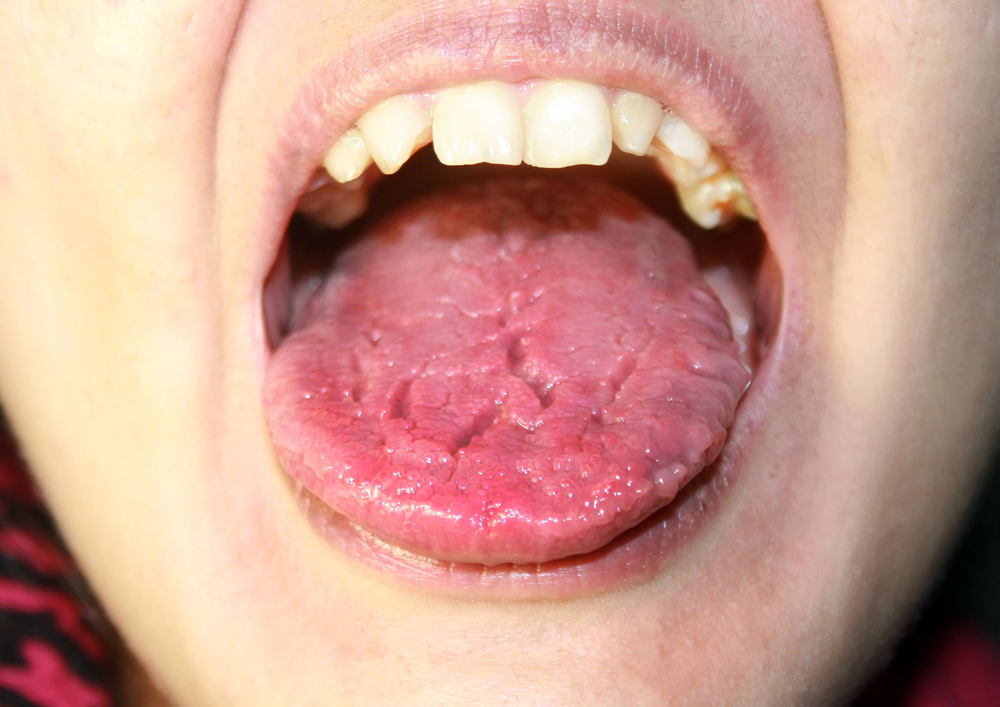
Several health conditions can directly impact your salivary glands or change how your body produces and manages fluids.
Sjögren’s Syndrome stands out as the most common autoimmune disease associated with dry mouth. In this condition, your immune system mistakenly attacks the glands that produce moisture, including salivary and tear glands. Approximately 90% of Sjögren’s patients are women, and they often experience fatigue and joint pain alongside dry mouth and dry eyes. The Cleveland Clinic notes that virtually all patients with Sjögren’s develop dry mouth as a primary symptom.
Diabetes affects saliva production in multiple ways. When blood sugar levels run high, your body tries to eliminate excess glucose through increased urination, which can lead to dehydration. The medications used to manage diabetes and related conditions like high blood pressure can also contribute to dry mouth. Many diabetic patients notice dry mouth as one of their first symptoms, making it an important warning sign that dentists monitor during routine exams.
Alzheimer’s Disease and Parkinson’s Disease both correlate with increased dry mouth prevalence, though whether this stems from the diseases themselves, the medications used to treat them, or a combination remains under study.
HIV/AIDS can affect the salivary glands directly and also involves medications that reduce saliva production.
Stroke patients frequently report dry mouth, particularly if nerve damage affects the areas controlling salivary gland function.
Other conditions associated with chronic dry mouth include rheumatoid arthritis, cystic fibrosis, hypertension, anemia, and certain hormonal changes during pregnancy or menopause.
Cancer Treatments
Radiation therapy directed at the head or neck can severely damage salivary glands, sometimes permanently reducing their ability to produce saliva. Chemotherapy drugs often cause temporary but severe dry mouth and mouth sores while treatment continues. According to information from the Merck Manual, these symptoms typically improve after treatment ends, though radiation damage may be longer lasting.
Lifestyle and Environmental Factors
Your daily habits play a significant role in saliva production.
Mouth breathing, whether from chronic congestion, sleep apnea, or habit, dries out oral tissues rapidly. Many patients wake up with dry mouth because they breathe through their mouth while sleeping or snoring.
Dehydration from inadequate water intake, excessive exercise without proper hydration, or conditions causing fluid loss will naturally reduce saliva production.
Tobacco and alcohol use both significantly dry out your mouth. Tobacco use damages salivary glands over time, while alcohol acts as a diuretic and reduces overall fluid levels.
Caffeine consumption from coffee, tea, and some sodas can have mild dehydrating effects when consumed in large quantities.
Why Dentists Take Dry Mouth Seriously
At Sunnyside Dental Care, we don’t dismiss dry mouth as a minor inconvenience. When left unaddressed, reduced saliva flow creates a cascade of oral health problems.
Your teeth face increased risk for cavities, particularly in unusual locations like along the gum line and around existing fillings. Without saliva’s protective coating and its ability to neutralize acids and wash away food particles, bacteria thrive and tooth decay accelerates.
Gum disease develops more readily in a dry mouth environment. The protective and cleansing functions of saliva help control harmful bacteria. When saliva decreases, bacterial populations grow unchecked, increasing inflammation and periodontal disease risk.
Fungal infections, particularly oral thrush caused by Candida, become more common. Saliva contains antifungal properties that help keep these organisms in balance.
If you wear dentures, dry mouth can make them uncomfortable or painful. Saliva helps create a seal between dentures and your gums. Without adequate moisture, dentures may rub against soft tissues, creating sore spots and making it difficult to wear them throughout the day.
Difficulty tasting food, speaking clearly, and swallowing comfortably all stem from inadequate saliva. These quality-of-life issues shouldn’t be overlooked, as they can affect your nutrition, social interactions, and overall wellbeing.
According to dental research, chronic dry mouth has even been linked to an increased risk of oral cancer, making regular dental checkups crucial for anyone experiencing persistent symptoms.
Answering the Question: Why Do I Always Have a Dry Mouth?
If you constantly feel like your mouth is dry, several factors might be at play simultaneously. Start by examining your medication list. Even over-the-counter drugs you take occasionally can contribute if you use them regularly.
Consider your overall health. Have you been diagnosed with diabetes, high blood pressure, or autoimmune conditions? Are you managing these conditions with medications? Do you notice other symptoms like frequent urination, unusual thirst, dry eyes, or joint pain?
Evaluate your daily habits. Are you drinking enough water throughout the day? Do you breathe through your mouth while sleeping? Do you use tobacco products or consume alcohol regularly?
Think about recent changes. Did your dry mouth start after beginning a new medication? Have you undergone cancer treatment? Have you experienced recent illness with fever or dehydration?
Your dentist can perform a simple examination to assess your saliva flow. At Sunnyside Dental Care, we look for visual signs of dry mouth, examine your tongue and oral tissues for dryness, check for signs of fungal infection, and assess your teeth for unusual patterns of decay. We may also review your complete medical history and medication list to identify potential causes.
Treatment Approaches We Recommend
Managing dry mouth effectively requires addressing the underlying cause whenever possible.
Medication Adjustments: If medications cause your dry mouth, your doctor may be able to adjust dosages or switch you to alternatives with fewer side effects. Never stop taking prescribed medications without consulting your healthcare provider first.
Medical Management: When underlying conditions like diabetes or Sjögren’s syndrome drive your dry mouth, working with your medical team to manage these conditions becomes the priority. For Sjögren’s patients, prescription medications like pilocarpine (Salagen) or cevimeline (Evoxac) can help stimulate saliva production.
Saliva Stimulation and Substitutes: Over-the-counter products including saliva substitutes in rinse or spray form, specialty toothpastes and mouthwashes designed for dry mouth, moisturizing gels, and sugar-free gum or candy containing xylitol can all provide relief. Xylitol not only stimulates saliva flow but also helps prevent cavities.
Lifestyle Modifications make a significant difference:
- Sip water frequently throughout the day, especially during meals
- Use a humidifier in your bedroom at night
- Avoid caffeine, alcohol, and tobacco
- Limit salty and spicy foods that may irritate a dry mouth
- Breathe through your nose rather than your mouth when possible
Enhanced Oral Hygiene: When you have dry mouth, meticulous oral care becomes even more critical. We recommend brushing with fluoride toothpaste at least twice daily, flossing daily to remove food particles saliva would normally wash away, using alcohol-free mouthwash, and visiting your dentist for preventative care more frequently than the standard six-month interval.
When to See Your Idaho Falls Dentist
Schedule an appointment at Sunnyside Dental Care if you experience persistent dry mouth that lasts more than a few days, difficulty swallowing or speaking due to dryness, obvious changes in your sense of taste, increased cavities or gum problems, painful sores in your mouth, or dry mouth that interferes with your daily activities or sleep.
Early intervention prevents the oral health complications associated with chronic dry mouth. During your visit, we’ll conduct a thorough examination, review your medical history and medications, assess your saliva production, check for signs of tooth decay or gum disease, and develop a personalized treatment plan.
Remember, dry mouth is never a normal part of aging. It always has an identifiable cause, and in many cases, we can significantly improve your symptoms and protect your oral health.
Frequently Asked Questions
Can dehydration alone cause chronic dry mouth?
While dehydration can certainly cause temporary dry mouth, truly chronic xerostomia typically involves other factors like medications or medical conditions. If drinking more water doesn’t resolve your dry mouth within a few days, consult your dentist or doctor to investigate other causes.
Is dry mouth dangerous?
Dry mouth itself isn’t dangerous, but the underlying conditions causing it might be, and the oral health complications it creates can seriously impact your wellbeing. Untreated dry mouth significantly increases your risk for cavities, gum disease, and oral infections.
Why is my mouth dry at night but not during the day?
Nighttime dry mouth often results from mouth breathing during sleep, which may be caused by snoring, sleep apnea, nasal congestion, or sleeping position. Some medications also have stronger effects during certain times of day based on when you take them.
Can anxiety cause dry mouth?
Yes, occasional dry mouth from anxiety or stress is completely normal. Your nervous system’s fight-or-flight response temporarily reduces saliva production. However, if you’re experiencing anxiety-related dry mouth daily, both the anxiety and the dry mouth deserve professional attention.
Will my dry mouth go away if I stop my medication?
That depends on what’s causing the dry mouth and which medication you’re taking. Some medications cause dry mouth that resolves within days of stopping, while others may take weeks. Never discontinue prescribed medications without consulting your prescribing physician first. They may be able to suggest alternatives or dosage adjustments.
Are there foods that help with dry mouth?
Sugar-free gum and candy containing xylitol can stimulate saliva production. Foods with high water content like watermelon, cucumbers, and soups can help with hydration. Tart foods like sugar-free lemon drops may also stimulate your salivary glands. Avoid very salty, spicy, or dry foods that can irritate an already dry mouth.
How long does it take for dry mouth to cause cavities?
This varies greatly depending on your overall oral hygiene, diet, fluoride exposure, and the severity of your dry mouth. Some patients develop cavities within months of chronic dry mouth, while others may take years. This is why maintaining excellent oral hygiene and regular dental visits becomes crucial when you have xerostomia.
Can children get dry mouth?
Yes, though it’s less common in children than adults. Causes in children might include dehydration, mouth breathing, certain medications, diabetes, or autoimmune conditions. Any child experiencing persistent dry mouth should be evaluated by their pediatrician and dentist.
Protecting Your Smile Starts With Understanding
Dry mouth serves as your body’s way of signaling that something needs attention, whether that’s a medication adjustment, better hydration, or evaluation for an underlying health condition. As your Idaho Falls dentists, we’re here to help you identify the cause and develop an effective treatment plan.
Don’t let persistent dry mouth compromise your oral health or quality of life. The team at Sunnyside Dental Care has the expertise and compassionate approach to help you find relief while protecting your smile for years to come.
Ready to address your dry mouth concerns? Contact us today or request an appointment at our Idaho Falls office.
