
Yes, stress can significantly affect your teeth and overall oral health. When you’re stressed, your body responds in ways that often manifest in your mouth, including teeth grinding (bruxism), jaw clenching, gum disease, dry mouth, and even tooth decay. These stress-related habits can lead to worn enamel, cracked teeth, jaw pain, and long-term dental damage if left untreated.
Stress is an unavoidable part of modern life. Whether it’s work deadlines, family responsibilities, or financial concerns, we all experience periods of heightened anxiety. What many people don’t realize is that stress doesn’t just affect your mental state or sleep patterns. It can wreak havoc on your oral health in surprising and potentially damaging ways.
As a dentist with years of experience treating patients at Sunnyside Dental Care, I’ve seen firsthand how stress manifests in the mouth. From severely worn teeth to painful jaw disorders, the connection between emotional wellbeing and dental health is undeniable. Let’s explore exactly how stress affects your teeth and what you can do about it.
How Stress Manifests in Your Mouth
Teeth Grinding (Bruxism)
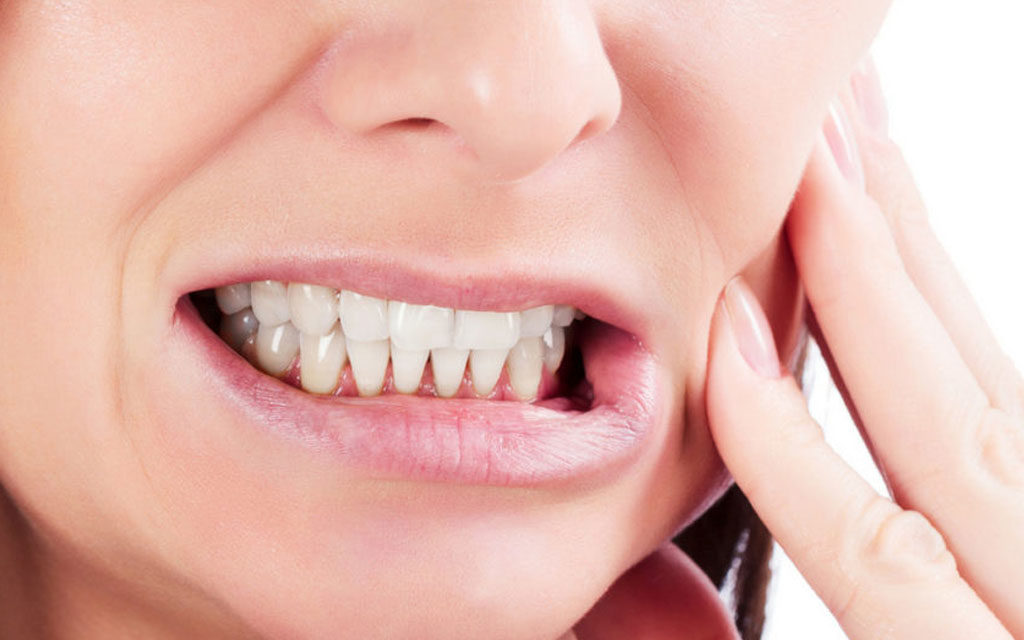
One of the most common stress-related dental problems is bruxism, the medical term for teeth grinding. Many people grind their teeth unconsciously, especially during sleep, when stress and anxiety are being processed by the subconscious mind.
According to research published by dental health experts, bruxism affects a significant portion of the adult population and is strongly correlated with stress levels. When you grind your teeth, you’re applying enormous pressure to your tooth enamel, sometimes with forces exceeding those used during normal chewing.
The consequences of chronic teeth grinding include:
- Worn, flattened, or chipped teeth
- Increased tooth sensitivity
- Jaw soreness and fatigue
- Headaches, particularly in the morning
- Damaged dental work like crowns or fillings
- Eventual tooth loss in severe cases
Jaw Clenching
Closely related to grinding is jaw clenching, where you tightly clench your upper and lower teeth together without the grinding motion. This can happen during the day when you’re concentrating or feeling anxious, or at night while sleeping.
Jaw clenching puts tremendous strain on your jaw muscles and temporomandibular joint (TMJ), the hinge that connects your jaw to your skull. Over time, this can lead to temporomandibular joint disorder (TMD), a painful condition that affects jaw movement and function.
Signs you might be clenching your jaw include:
- Sore or tight jaw muscles
- Difficulty opening your mouth fully
- Clicking or popping sounds when moving your jaw
- Neck and shoulder tension
- Earaches without infection
- Facial pain
Gum Disease
Stress doesn’t just affect your teeth and jaw. It can also compromise your body’s immune response, making you more susceptible to infections, including gum disease. When you’re stressed, your body produces higher levels of cortisol, a hormone that can weaken your immune system and increase inflammation throughout your body.
Research has shown that people experiencing high levels of stress are more likely to develop gingivitis and periodontitis (advanced gum disease). The inflammatory response triggered by stress can accelerate the progression of gum disease, leading to bleeding gums, receding gum lines, and even tooth loss if untreated.
Dry Mouth
Stress can alter your body’s normal functions, including saliva production. Some people experience dry mouth (xerostomia) during stressful periods, either due to stress itself or as a side effect of anti-anxiety medications.
Saliva plays a crucial role in oral health. It neutralizes acids, washes away food particles, and provides disease-fighting substances throughout your mouth. Without adequate saliva, you’re at increased risk for:
- Tooth decay
- Bad breath
- Difficulty swallowing or speaking
- Mouth sores
- Fungal infections like thrush
Canker Sores and Other Lesions
While not directly caused by stress, canker sores and other mouth ulcers often appear during times of heightened stress. These painful lesions can make eating and speaking uncomfortable and typically take one to two weeks to heal.
Stress may trigger these sores by:
- Weakening the immune system
- Causing you to accidentally bite your cheek or tongue
- Leading to poor dietary choices that lack essential vitamins
- Disrupting sleep, which affects healing
Neglected Oral Hygiene
When you’re overwhelmed and stressed, self-care routines often suffer. You might skip brushing before bed, forget to floss, or put off that dental checkup you’ve been meaning to schedule. This neglect compounds other stress-related dental problems and allows minor issues to become major ones.
Recognizing the Warning Signs
Many people don’t realize they’re grinding their teeth or clenching their jaw, especially if it happens during sleep. Your dentist can often spot the signs during a routine examination, but you should also watch for these warning signals:
- Waking up with a sore jaw or headache
- Your partner mentions hearing grinding sounds at night
- Increased tooth sensitivity, especially to cold or hot foods
- Visible wear on your teeth (your teeth appear shorter or more flat)
- Indentations on your tongue or cheek tissue from pressing against teeth
- Loose teeth or changes in your bite
- Chronic facial or neck pain
If you’re experiencing any of these symptoms, it’s important to schedule a dental examination to assess the damage and discuss treatment options.
Treatment Options and Solutions
The good news is that stress-related dental problems are treatable, and there are effective strategies to protect your teeth while you work on managing stress levels.
Night Guards and Splints
For teeth grinding and jaw clenching, a custom-fitted night guard is often the first line of defense. These protective devices, worn while sleeping, create a barrier between your upper and lower teeth, preventing damage from grinding. They also help reduce the pressure on your jaw joint.
While over-the-counter options exist, a custom night guard made by your dentist will fit better, last longer, and provide superior protection. At Sunnyside Dental Care, we create personalized night guards that comfortably fit your unique mouth structure.
Stress Management Techniques
Addressing the root cause of stress-related dental problems means managing stress itself. Consider incorporating these evidence-based techniques:
- Regular exercise: Physical activity reduces stress hormones and promotes better sleep
- Meditation and mindfulness: These practices can reduce anxiety and help you become aware of jaw clenching during the day
- Cognitive behavioral therapy: Working with a therapist can provide tools to manage stress more effectively
- Adequate sleep: Prioritizing rest helps your body cope with stress better
- Relaxation techniques: Progressive muscle relaxation, deep breathing, and yoga can reduce tension
Jaw Exercises and Physical Therapy
For those dealing with TMJ pain, specific exercises can help strengthen and relax jaw muscles. A physical therapist or your dentist can recommend appropriate exercises. Applying warm compresses to the jaw area can also provide relief.
Dental Restoration
If stress has already caused significant damage to your teeth, restorative treatments may be necessary. These might include:
- Dental crowns to protect and restore worn teeth
- Bonding or veneers to repair chipped or cracked teeth
- Root canal therapy if damage has reached the tooth’s pulp
- Orthodontic treatment if your bite has been affected
Your dentist will assess the extent of damage and recommend the most appropriate treatments for your situation.
Medication Adjustments
If you’re taking medication for anxiety or depression that’s contributing to dry mouth, talk to your doctor about alternatives. Never stop taking prescribed medication without medical guidance, but there may be options that don’t affect saliva production as severely.
Prevention Strategies
Preventing stress-related dental damage is always better than treating it. Here are practical steps you can take:
Practice good oral hygiene consistently. Even when stressed, maintain your brushing and flossing routine. Consider setting phone reminders if you’re prone to forgetting.
Stay hydrated. Drinking water throughout the day helps combat dry mouth and washes away bacteria and food particles.
Limit caffeine and alcohol. Both can increase teeth grinding and contribute to dehydration.
Be mindful of daytime clenching. When you notice yourself clenching during the day, consciously relax your jaw. A helpful reminder is to keep your lips together but teeth apart, with your tongue resting gently on the roof of your mouth.
Schedule regular dental checkups. Professional cleanings and examinations can catch problems early, before they become serious. Don’t skip your appointments, especially during stressful periods.
Eat a balanced diet. Proper nutrition supports both your immune system and oral health. Foods rich in calcium, vitamin D, and vitamin C are particularly beneficial for teeth and gums.
Create a relaxing bedtime routine. Since much of teeth grinding happens during sleep, establishing a calming pre-sleep routine can help reduce nighttime bruxism.
When to See Your Dentist
You should contact your dentist if you experience:
- Persistent jaw pain or difficulty opening your mouth
- Noticeable changes in your bite or tooth alignment
- Visible damage to your teeth (chips, cracks, or excessive wear)
- Chronic headaches or facial pain
- Bleeding or swollen gums
- Loose teeth
- Any dental discomfort that doesn’t resolve within a few days
Early intervention can prevent minor problems from becoming major dental issues requiring extensive treatment.
The Mind-Body Connection in Dental Health
The relationship between stress and oral health highlights an important truth: your mouth is not separate from the rest of your body. What affects your mental and emotional wellbeing inevitably impacts your physical health, including your teeth and gums.
By recognizing this connection, you can take a more holistic approach to dental care. Managing stress isn’t just good for your mental health; it’s an essential component of maintaining a healthy smile.
Frequently Asked Questions
Can stress cause tooth pain?
Yes, stress can cause tooth pain in several ways. Teeth grinding can make your teeth sensitive and sore. Stress can also cause you to clench your jaw, leading to pain that radiates to your teeth. Additionally, stress-related gum disease can cause tooth pain. If you’re experiencing persistent tooth pain, visit your dentist to identify the underlying cause.
How do I know if I grind my teeth at night?
Common signs include waking up with jaw soreness, headaches (especially near your temples), tooth sensitivity, visible wear on your teeth, or a partner who hears grinding sounds while you sleep. Your dentist can also identify signs of grinding during routine examinations by looking at wear patterns on your teeth.
Can anxiety cause gum problems?
Yes, anxiety and chronic stress can contribute to gum disease. Stress weakens your immune system, making it harder for your body to fight the bacteria that cause gum infections. Stress also increases inflammation in your body, which can worsen gum disease. Additionally, stressed individuals may neglect oral hygiene, further increasing gum disease risk.
Will my teeth return to normal after I stop grinding?
Unfortunately, damage from teeth grinding is permanent. Worn enamel doesn’t regenerate, and chipped or cracked teeth won’t heal on their own. However, stopping the grinding habit prevents further damage, and your dentist can restore damaged teeth with crowns, bonding, or other treatments. The jaw pain and muscle soreness associated with grinding typically improve once the habit stops.
Is teeth grinding serious?
Teeth grinding can be serious if left untreated. Chronic bruxism can lead to severely worn teeth, tooth fractures, tooth loss, chronic jaw pain, TMJ disorders, and damage to dental work like fillings and crowns. The good news is that with proper treatment, including a night guard and stress management, you can protect your teeth from further damage.
What’s the fastest way to relieve jaw pain from clenching?
For immediate relief, try applying a warm compress to your jaw muscles, gently massaging the area, and performing jaw stretches. Over-the-counter pain relievers can help with discomfort. Avoid hard or chewy foods that require extensive jaw movement. For long-term relief, you’ll need to address the underlying clenching habit with a night guard and stress management techniques.
Can stress cause cavities?
Stress doesn’t directly cause cavities, but it creates conditions that increase cavity risk. Stress can lead to dry mouth (reducing protective saliva), poor dietary choices (consuming more sugary foods), neglected oral hygiene, and weakened immune response. All of these factors can contribute to tooth decay.
Stress Is A Powerful Force
Stress affects virtually every system in your body, and your mouth is no exception. From teeth grinding and jaw clenching to gum disease and dry mouth, the ways stress manifests in your oral health are numerous and potentially damaging.
The key to protecting your smile is awareness and action. Pay attention to the warning signs, practice good oral hygiene even during difficult times, and don’t hesitate to seek professional help when needed. A combination of dental treatment and stress management provides the best protection for your teeth.
Remember, taking care of your oral health is an investment in your overall wellbeing. If you’re experiencing any symptoms of stress-related dental problems, the team at Sunnyside Dental Care is here to help you protect your smile and address any concerns.
